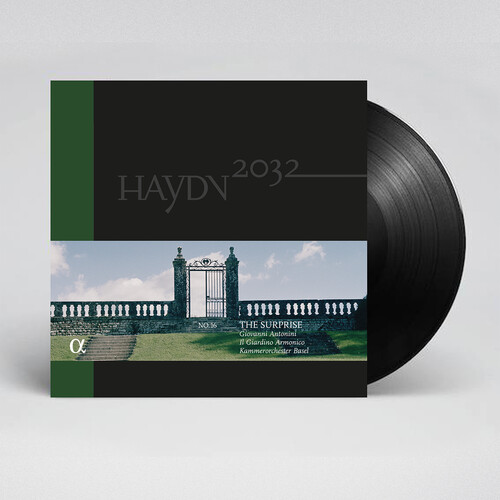
"Joseph Haydn not only liked surprising his audiences, he also enjoyed a laugh," writes Christian Moritz-Bauer in the introduction to this sixteenth volume of the Haydn2032 complete recording of the symphonies. Take, for instance, the false conclusion of Symphony No. 90, composed in 1788: the music seems to have reached the last chord but, after a pause, the movement resumes to end with a powerful coda. Another example of Haydn's mischievous wit is the famous Andante "with the drumstroke" that forms the "surprise" of Symphony No. 94, a fortissimo chord designed to wake up audiences who dozed off towards the end of his concerts. In this volume focused on humour, Giovanni Antonini pays tribute to a great admirer of Haydn, Gioachino Rossini, by recording the sparkling opening Sinfonia of La scala di seta (The Silken Ladder), a one-act opera written in 1812.